
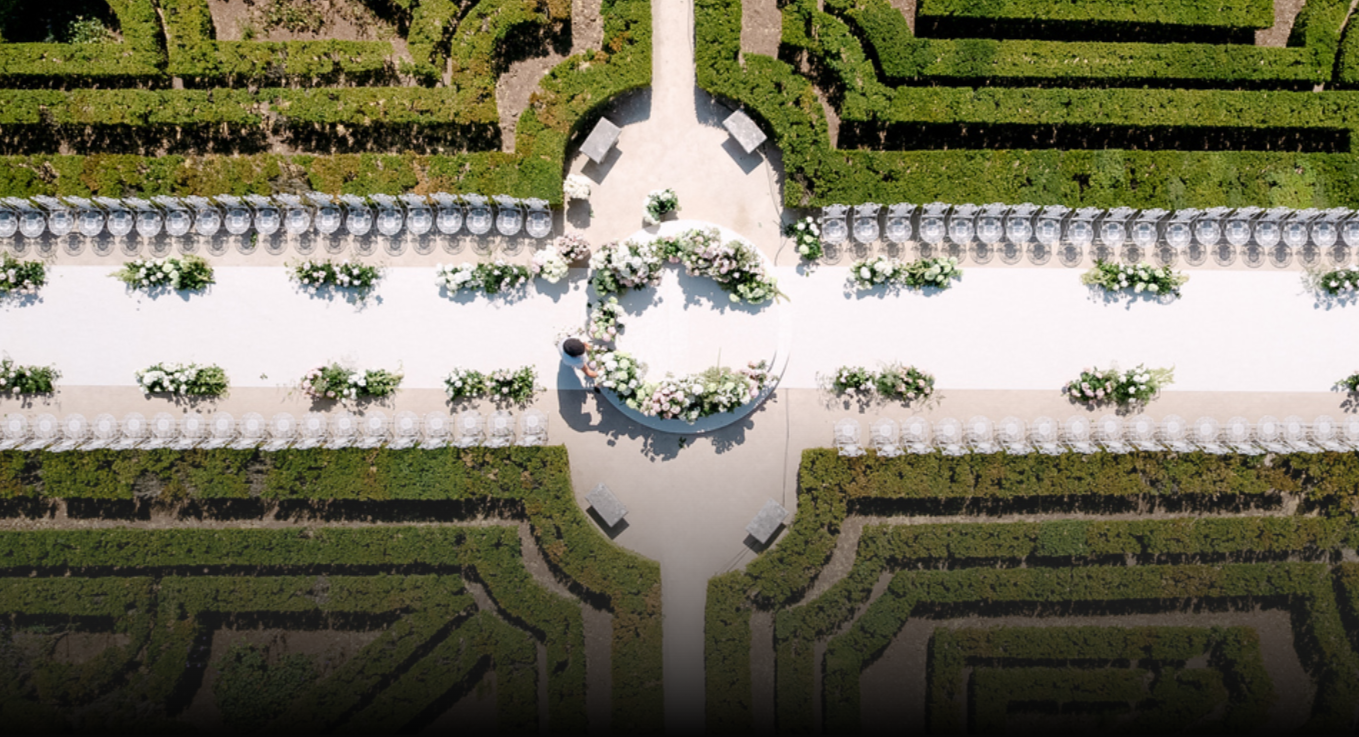
The Complete Guide to
Destination Weddings in Portugal
complete guide covering venues, costs, legal requirements, best locations, vendors, and planning tips.

In 2024, more couples got married abroad than at any point in the last decade, and Portugal has quietly become one of the top five destinations for American couples doing it. That's not a coincidence. Portugal has castles, a coastline, and vineyard estates all within an afternoon's drive of each other, and the wedding infrastructure in place is something most of Europe simply can't match.
This guide breaks down the real nuts and bolts of planning a destination wedding in Portugal, from the paperwork no one wants to deal with to the venue choices that drive everything else. It is written for couples in the US who are serious, not just dreaming about this. Grab a coffee — this is a long one, but each section deserves its space.
Why American Couples Are Opting for Portugal for Their Wedding
Portugal sits at a strange crossroads: it feels very European, yet is still much cheaper than France or Italy for similar quality. A wedding that would cost $150,000 in the Hamptons often costs closer to $80,000–$100,000 in Portugal, and that gap tends to surprise couples during their first budget call. One bride planning a Sintra wedding was so shocked by it, she had her planner check the numbers twice.
A Landscape That Decorates for You
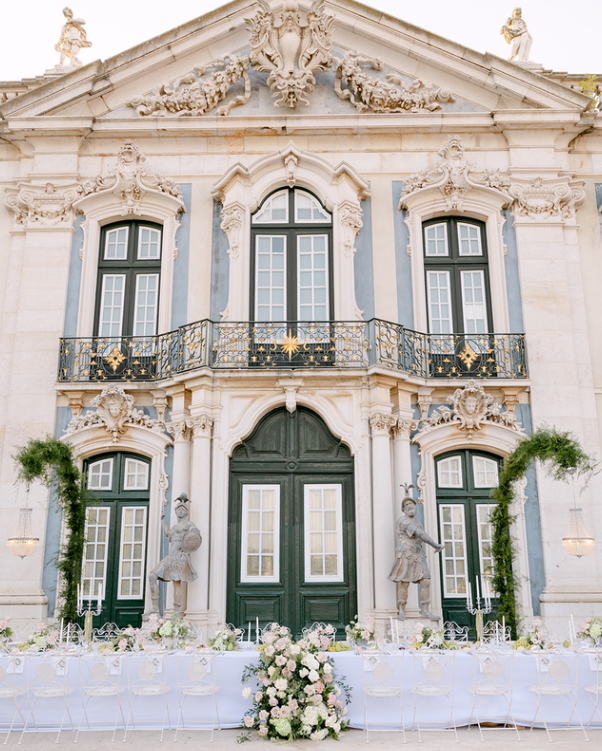
Portuguese venues require very little dressing up. The skeleton of a 19th-century quinta — stone archways, tiled courtyards, terraced gardens — would be worth a small fortune to build anywhere else. Designers will often say the best Portugal weddings are the ones where the architecture does 70% of the visual work before a single flower arrives.
That's no excuse to skip design planning, though. It's a theory worth testing: strong bones and restrained design almost always beat an over-styled room. Couples who embrace what a venue is, rather than fighting it, tend to end up with photos that age well.
Cost vs. a Luxury Wedding in the United States
| Category | US Luxury Wedding (average) | Portugal Destination Wedding (average) |
|---|---|---|
| Venue rental (100 guests) | $25,000–$45,000 | $10,000–$25,000 |
| Catering per head | $150–$300 | $90–$180 |
| Florals & design | $20,000–$40,000 | $12,000–$25,000 |
| Photography & video | $10,000–$18,000 | $6,000–$12,000 |
| Planning fee (full) | $15,000–$30,000 | $10,000–$25,000 |
Figures are average industry estimates and will vary based on season, guest count, and vendor selection.
Getting Married in Portugal: Legal Requirements You Should Know
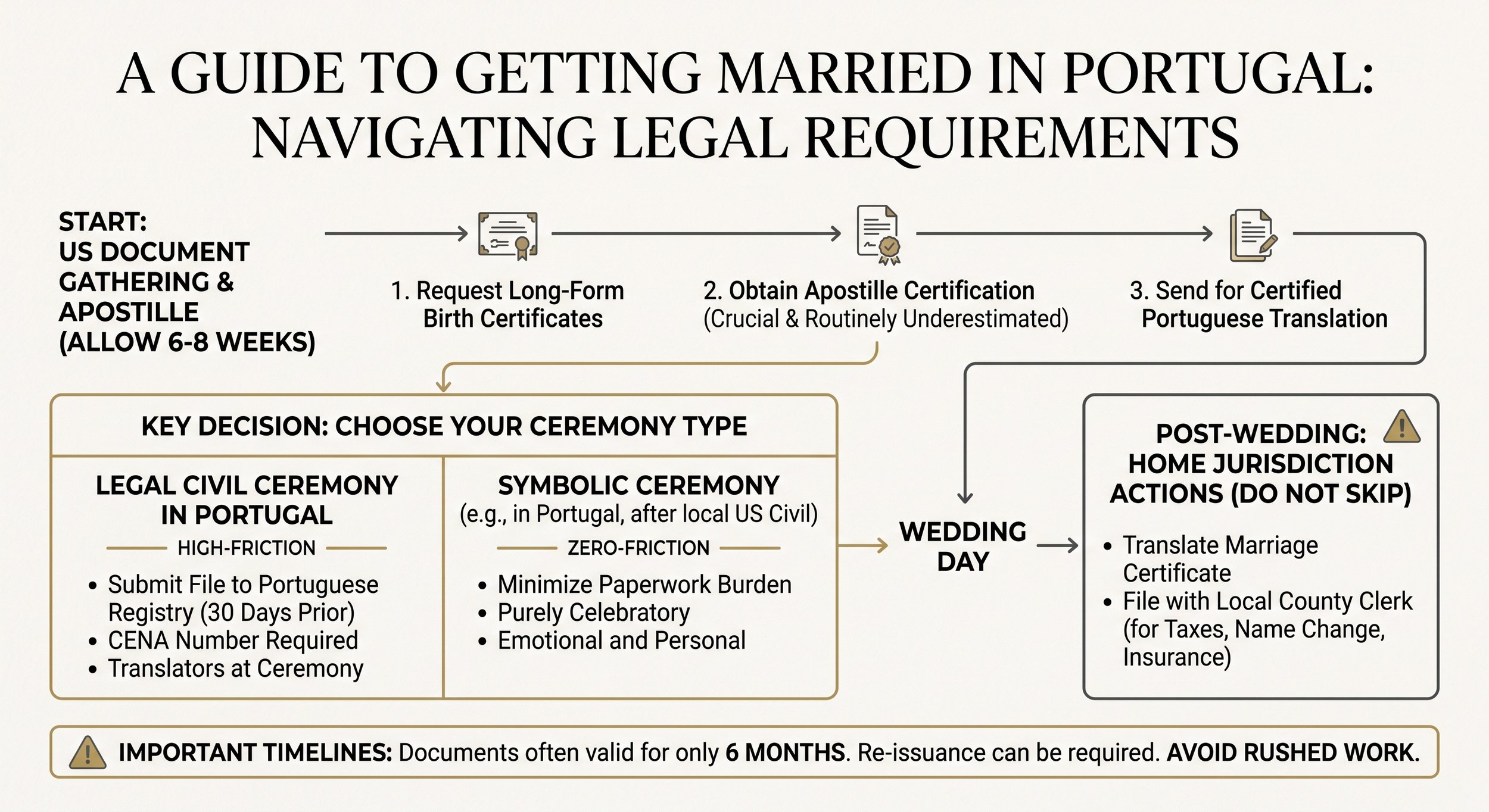
This is where enthusiasm normally collides with bureaucracy, and where many couples lose momentum. If you're a foreigner who wants to get legally married in Portugal, you must submit paperwork to the Conservatória do Registo Civil at least 30 days before the wedding date. The required documents are usually a valid passport, birth certificate, and a CENA number (Certificado de Nascimento e Estado Civil) from the Portuguese consulate.
The Paperwork Americans Underestimate
Most couples believe the difficult part is picking a venue. It's actually the apostille process — certifying US documents for use abroad — and this step is routinely rushed and has to be redone.
"I've seen it happen so many times I've lost count," says one planner. "A couple will send in the paperwork two weeks late, and the venue has to hold a back-up date while everyone scrambles."
The hard way. Over and over again. Lesson learned: start the legal paperwork the same week you book the venue, not after you've picked florals. It feels backward because paperwork is not fun, but it protects the date. Allow at least six to eight weeks for processing and translation of documents.
Civil and Religious Ceremonies
Many couples have a civil ceremony quietly at home or at the US embassy and then have a symbolic ceremony in Portugal with all the emotional weight and none of the legal complexity. This reduces most of the paperwork burden and, frankly, is what most American couples end up doing. A Catholic religious ceremony can also be arranged but requires additional paperwork from your home parish, generally a letter of freedom to marry.
What Happens When You're Back in the US
A marriage performed legally in Portugal is generally recognized in the United States, but the marriage certificate must be translated and, in some cases, filed with your county clerk. This step gets skipped all the time. Don't skip it — it matters for name changes, taxes, and insurance down the road.
Selecting the Best Location and Region
Portugal is tiny, about the size of Indiana, but every one of its wedding regions has a personality all its own.
Sintra and Lisbon — Palaces and City Elegance
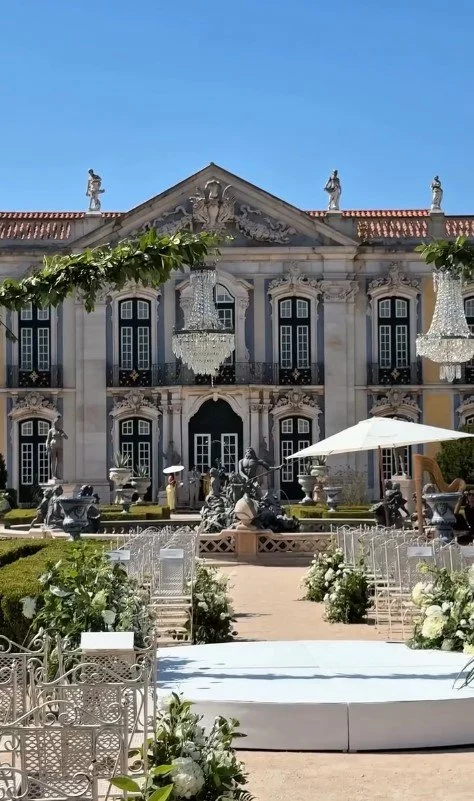
Sintra is fairy-tale without irony: misty hills, 19th-century palaces, and places like Monserrate or Quinta da Regaleira that photograph like a movie set. Lisbon itself has rooftops and converted palaces with skyline views, better suited to couples who want city energy mixed into the celebration. This region is a guest favorite because there is so much to do outside of the wedding day itself.
Douro Valley — Love in the Vineyards
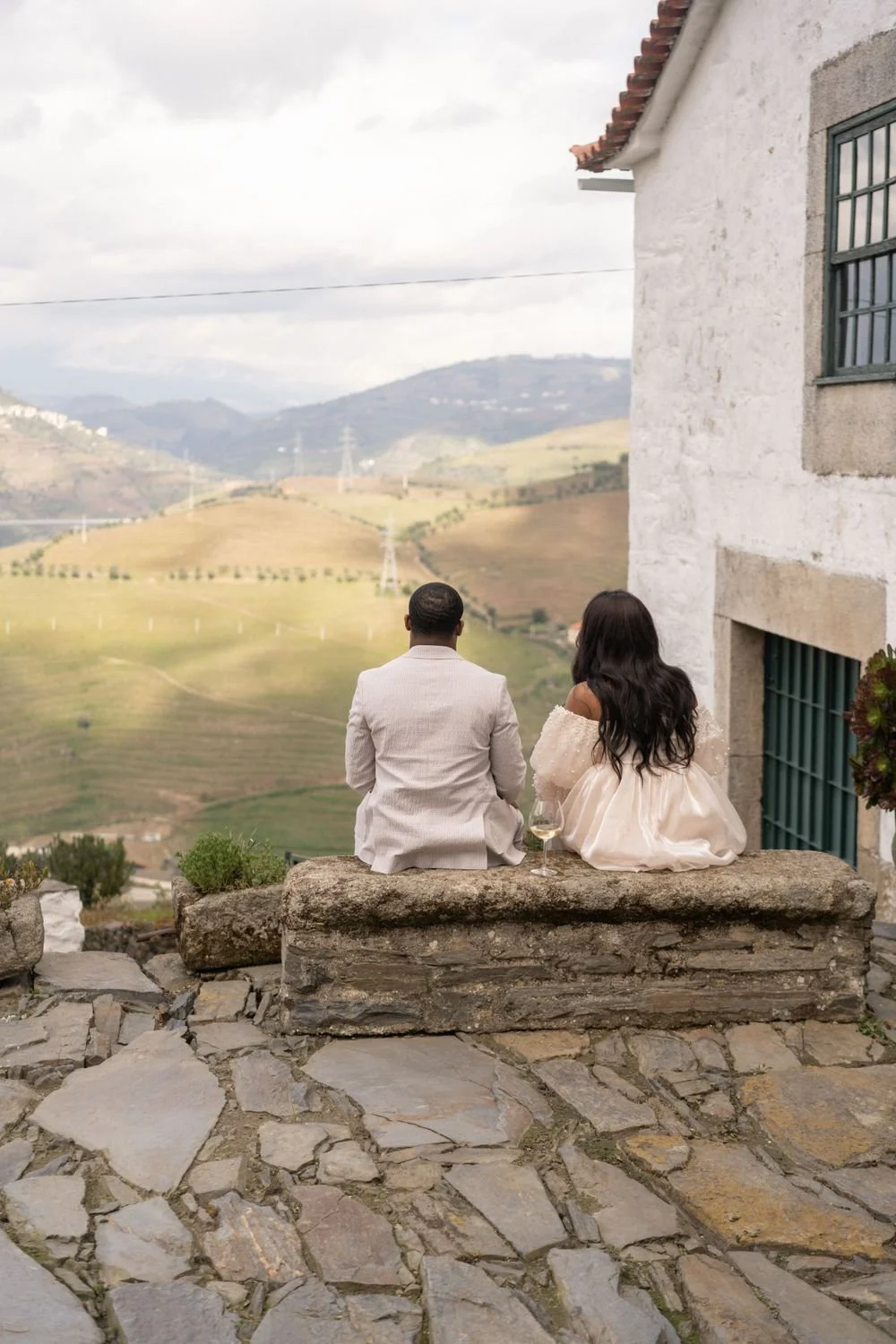
Portugal's wine country, the Douro is terraced hillsides and river views — a place that tends to attract couples who want their wedding to feel unhurried. It's also the region most likely to be underestimated in terms of travel time; it's a good two hours from Porto, not a quick hop. Couples planning a Douro wedding should budget extra transportation for guests, period.
Coastal Ease — Algarve & Comporta
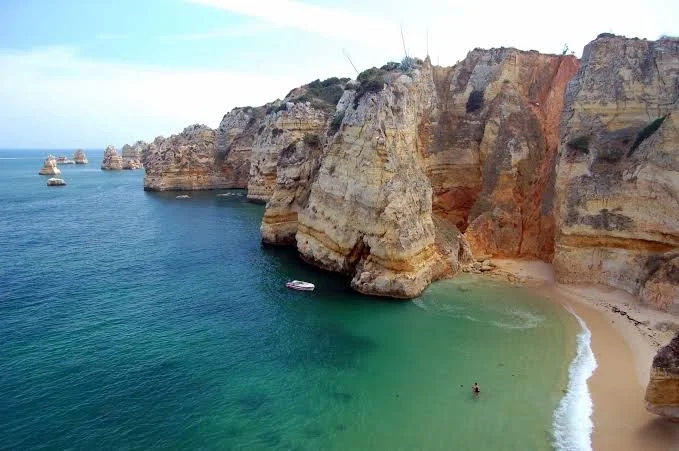
The Algarve is the beachy option, but Comporta has become the quieter, more design-conscious coast for those who want a subtle luxury experience rather than resort razzmatazz. Both regions run hotter and drier than the north, which matters for guest comfort in July and August.
How to Plan a Real Destination Wedding Timeline
The 12- to 18-Month Countdown
Most planners suggest starting the process 12 to 18 months out, and honestly, 18 is safer if the venue on your wish list books up quickly (many popular quintas do, sometimes two years out). Here's a rough breakdown:
Months 18–12: Book venue, hire planner, begin legal paperwork
Months 12–9: Confirm vendors — photography, catering, florals
Months 9–6: Send save-the-dates, finalize design concept
Months 6–3: Guest travel arrangements, menu tastings, final headcount
Months 3–1: Final payments, rehearsal planning, welcome bag prep
Final month: Triple check all the details. Then double check it again.
What Can (and Can't) Be Pushed
Florals, rentals, and catering are usually bookable a few months in advance. Legal paperwork and venue booking can't be — those two things alone account for most last-minute panic. It's a small thing that becomes a big thing if you neglect it.
Budgeting Your Wedding in Portugal
Where the Money Really Goes
Venue and catering usually take up 45–55% of the total budget, with design and florals taking another 15–20%. The rest goes to photography, planning fees, and guest experience touches like welcome dinners. Couples who plan for a 10% buffer for the unexpected tend to finish planning with a lot less stress.
Hidden Costs No One Tells You About
VAT (23%) is usually added on top of venue and catering quotes, not included upfront
Currency fluctuations between contract signing and final payment
Guest transportation between venue, hotels, and airport
Vendor travel costs for photographers or florists coming from outside the area
Overtime charges if the celebration runs past the contracted hour
Planning for Your Guests
Travel, Accommodation, and the Guest Experience
The average American arriving in Lisbon or Porto will be in the air seven to nine hours, so getting in on a Friday for a Saturday wedding is a little tight. Adding an extra full day allows guests to recover from jet lag and actually enjoy Portugal instead of sleepwalking through it. Negotiating a block of hotel rooms early also protects guests from price spikes during peak wedding season.
Creating a Wedding Weekend, Not Just a Wedding Day
The couples who get the best feedback almost always plan more than one event. Add a welcome dinner Thursday, a wedding Saturday, and a farewell brunch Sunday, and one ceremony turns into a group trip guests won't soon forget. Yes, it's more expensive — but it's always the detail that guests mention months later.
Working with a Wedding Planner and Design Team
Why an Architect-Led Approach Changes Everything
Planning logistics and designing a space are two different skill sets, and that's where a lot of destination weddings go flat — because they're treated as one job. An architect-led planning approach sees the venue as a spatial problem from the outset: how guests move through it, where light hits at golden hour, how a room's proportions impact mood — before a single design element is chosen. This is the difference between a wedding that looks good in pictures and one that actually feels considered when you're standing in it.
"The goal is to make every event feel like a well-orchestrated composition, where design elements combine to create lasting impressions."
That isn't ornament. That's design thinking applied to one of the most important days of a couple's life.
Concluding Thoughts and Next Steps
Portugal rewards couples who plan early and take the legal steps seriously, and it punishes the ones who don't with headaches nobody wants during wedding week. But the upside is real: architecture that does half the design work, a guest experience that turns into a real trip, and a price tag that leaves room for the details that matter most.
For couples ready to begin their journey, working with a full-service, architect-led planning and design studio takes the guesswork out of everything from choosing a venue to legal logistics to vendor coordination. Start the planning conversation and turn a wish list into a real wedding weekend. Get in touch.
Read more about our journal

BLUEPRINTS OF BECOMING
How architecture shaped the woman behind Ressa Design Collective.

NOTES BETWEEN BEAUTY & BLUEPRINT
Where structure meets soul
FORM & FEELING
The emotion behind structure